Hisashi Ouchi: The Haunting Photos and Legacy After Radiation Exposure
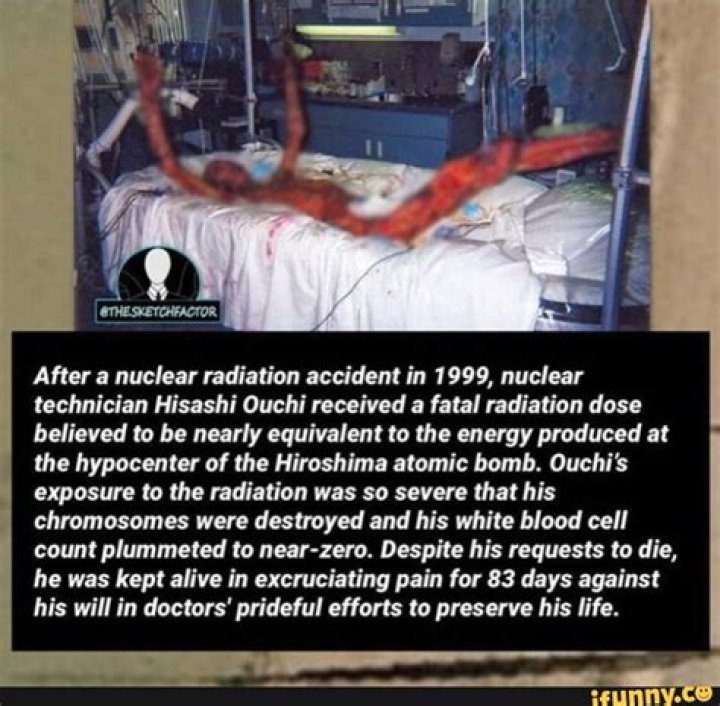
Hisashi Ouchi's story is one of tragedy and resilience, capturing the attention of many due to the horrific consequences of radiation exposure. As we delve into the details surrounding his life and the infamous accident at the Tokaimura nuclear facility in Japan, we will explore the visual documentation that portrays the aftermath of his suffering. This article aims to provide a comprehensive overview of Hisashi Ouchi's experience, the impact of radiation on his health, and the broader implications for nuclear safety.
Understanding the events that transpired on that fateful day in September 1999 is crucial. Hisashi Ouchi was one of the workers exposed to a lethal dose of radiation during a criticality accident. The consequences were devastating, leading to one of the most highly publicized cases involving radiation sickness. By examining the photos and the circumstances surrounding them, we can gain insight into the profound effects of radiation on the human body and the ethical considerations surrounding the sharing of such images.
This comprehensive article will guide you through the intricate details of Hisashi Ouchi's story, providing insights into radiation exposure, medical treatments, and the legacy that continues to influence nuclear safety protocols today. We will explore the medical aspects of radiation sickness, the personal accounts of those involved, and the lessons learned from this tragic event.
Biography of Hisashi Ouchi
Hisashi Ouchi was born on March 24, 1964, in Japan. He became a nuclear facility worker, where he was employed at the Tokaimura plant. His dedication and commitment to his job, however, led to tragic consequences on September 30, 1999.
| Personal Information | Details |
|---|---|
| Name | Hisashi Ouchi |
| Date of Birth | March 24, 1964 |
| Occupation | Nuclear Facility Worker |
| Incident Date | September 30, 1999 |
| Location | Tokaimura, Japan |
The Tokaimura Nuclear Accident
The Tokaimura nuclear accident was a catastrophic event that occurred due to improper handling of uranium at the facility. The workers, including Ouchi, were responsible for mixing uranium, which led to a criticality accident when they inadvertently caused a nuclear chain reaction.
As a result of this incident, Ouchi and two other workers were exposed to extremely high levels of radiation. The accident drew international attention, highlighting the potential dangers associated with nuclear energy and the need for strict safety protocols.
The Photos: A Visual Account
The photos of Hisashi Ouchi during his hospitalization reveal the horrific effects of radiation exposure. These images, while distressing, serve as a stark reminder of the consequences of nuclear accidents.
- Images depicting Ouchi’s physical deterioration due to radiation sickness.
- Photographs showing medical interventions and treatments he underwent.
- Visual documentation of the impact on his family and friends.
Medical Treatment and Consequences
Hisashi Ouchi's medical treatment was extensive and complex, involving numerous interventions aimed at combating the effects of radiation. The following points summarize the key aspects of his treatment:
- Initial hospitalization in critical condition due to acute radiation syndrome.
- Use of various medical technologies and therapies, including blood transfusions.
- Long-term effects of radiation exposure on his health, including organ failure.
- Hisashi Ouchi succumbed to his injuries on December 21, 1999, nearly three months after the accident.
Legacy and Impact on Nuclear Safety
The tragic story of Hisashi Ouchi has left a lasting impact on nuclear safety regulations worldwide. Following the accident, several changes were proposed and implemented to enhance safety protocols in the nuclear industry:
- Increased training and safety measures for nuclear facility workers.
- Stricter regulations regarding the handling of nuclear materials.
- Enhanced emergency response protocols for nuclear incidents.
Ethical Considerations of Sharing Images
The sharing of Hisashi Ouchi's photos raises significant ethical questions regarding the portrayal of suffering and the impact on viewers. While these images serve to educate and inform, they also pose risks of desensitization or exploitation of tragedy for sensationalism.
It is essential to approach these images with respect and sensitivity, recognizing the human suffering behind the visuals and the importance of advocating for nuclear safety.
Radiation Exposure Statistics
Understanding the broader implications of radiation exposure can be enhanced through statistics. Here are some critical data points:
- According to the World Health Organization, exposure to high levels of radiation can lead to acute radiation syndrome, with symptoms appearing within hours.
- The United Nations Scientific Committee on the Effects of Atomic Radiation reports that even low doses of radiation can increase cancer risk over time.
- Radiation exposure limits for nuclear workers are set at 50 millisieverts per year, but even lower doses can have harmful effects.
Conclusion
Hisashi Ouchi's story serves as a poignant reminder of the potential dangers associated with nuclear energy and the human cost of accidents. Through examining the photos and understanding the implications of his experience, we can advocate for improved safety measures and ethical considerations in the sharing of such content.
We encourage readers to reflect on these issues and engage with the topic by leaving comments or sharing this article. By raising awareness, we can contribute to ongoing discussions about nuclear safety and the importance of protecting lives.
Final Thoughts
Thank you for taking the time to read about Hisashi Ouchi's tragic story. We hope you found this article informative and thought-provoking. We invite you to return to our site for more in-depth discussions on related topics and the continuing legacy of nuclear safety.